Merchant services pertain to the management of electronically paid transactions. It may also be referred to as credit card processing. It entails creating a merchant account to help facilitate the processing of credit card payments.
Businesses work with merchant services providers to simplify the process of accepting payment through various formats and get their money quickly and safely. It can involve setting up a mix of in-store hardware, software, and services, including point-of-sale (POS) systems.
Merchant services providers are responsible for the following:
- Consolidating information on the transaction and the card used by the customer to pay.
- Receiving approval for the transaction.
- Collecting money (or the customer’s payment) from the bank that issued the credit or debit card.
- Sending the funds to the merchant, minus the relevant processing fees. For more information on this, check out our blog on credit card processing fees and regulations.
In this blog, we cover five ways that merchant services can help boost your small business.
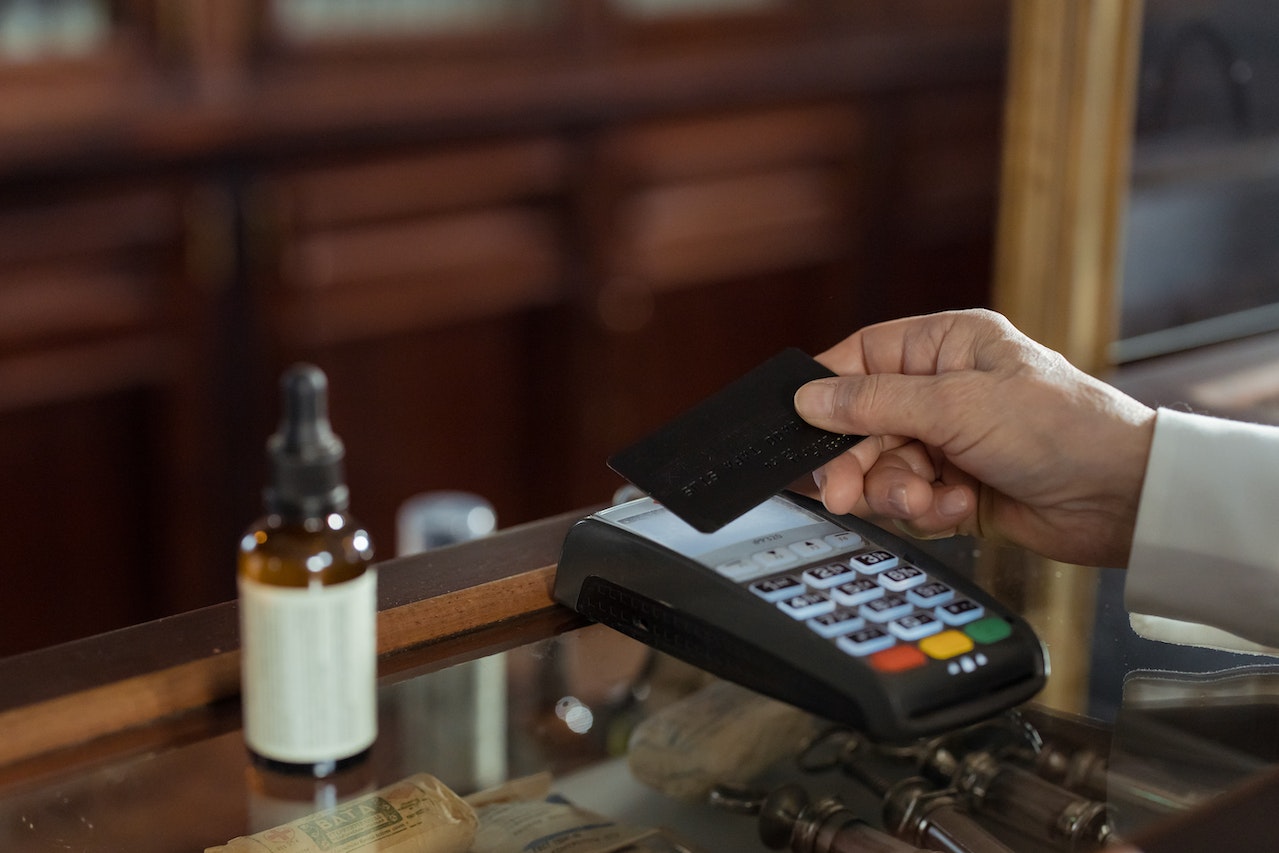
5 Ways That Merchant Services Can Help Small Businesses
So, how exactly can merchant services help your business, and why do you need them?
1. Increased Revenue
More and more Americans are using credit cards to pay for their purchases. There are more than 500 million total credit cards used in the U.S., led by Gen Z consumers aged 18 to 25. Furthermore, there were 233 million new credit accounts opened in Q2 of 2022.
According to an MIT study, people tend to spend 83% more when using credit cards. This is because customers are more likely to give in to impulse purchases or buy high-priced items when paying with a credit card as they can typically split the bill into multiple manageable installments.
2. Expand Accepted Payment Options
Aside from credit cards, many are also turning to debit cards, mobile wallets, and other non-cash methods — a behavior that exploded during the pandemic, when there was a need for contactless transactions. With a multitude of options in terms of methods and providers, consumers expect businesses to be flexible and diverse. It’s rare, and risky, for any modern business to operate on a cash-only basis.
With merchant services, you can provide customers with a variety of accepted payment options, including online payments. This also empowers you, as a business owner, if you want to break free from the limitations of a physical location and transition into an online or hybrid business model.

3. Ensure Payments are Secure and Valid
As mentioned earlier in this article, merchant service providers receive the authorization for non-cash transactions, collect the money from the credit or debit card company used by the customer, and send the money to the merchant. This helps verify that the transactions are paid for and that the payments are valid.
Furthermore, merchant service providers can help ensure that the information required to process a translation is managed safely and securely, and is PCI-compliant.
4. Streamline Transaction Tracking
When you have a merchant account, each card transaction is logged and detailed in your monthly statement. This makes it easier to manage and understand your accounts and cash flow. It also empowers you to gain insights from your sales information, so that you may better understand your customers and refine your product offerings.
5. Boost Business Credibility
Leveraging merchant services can help your business provide a better customer experience. By accepting a diverse range of payment methods, you show an understanding of the consumers’ needs and preferences and the agility to keep up with the times.
For a small business, it also reinforces your credibility because merchant services prove that your business is recognized by financial institutions — like the companies that issue credit and debit cards to users. This can help build trust and affinity for your business, compared to smaller market players who might fall behind on technology.

How Does Credit Card Processing Work?
For further context on these benefits, let’s dive into how credit card payments are processed.
- A customer pays for their purchased product or availed service with a credit or debit card. This may be in either a physical location or online via the company’s website or eCommerce platform.
- Information about the card used to pay is sent to the acquiring bank or the bank that keeps and manages the customer’s money.
- The bank then sends the transaction to a payment processor (a financial organization like True POS, which enables businesses to process card payments), then to a card network like Visa and Mastercard.
- A series of approvals take place, which concludes with an authorization code sent to the acquiring bank. The bank then sends an approval cost to the merchant’s POS system.
- After the terminal receives confirmation that the transaction is approved, a receipt is printed. The customer may be asked to sign.
- At the end of the billing period, the customer is billed by their bank for the transaction. The corresponding payment is given to the merchant.
To avail of merchant services, or learn more about how POS systems can help scale your business, contact True POS today for a free quote!